
Know-your-customer checks gate withdrawals on every reputable offshore casino — sometimes deposits too above thresholds. UK adults 18+ who treat KYC as an afterthought discover pending timers, reversed winnings anxiety and support queues at the worst moment. Preparing documents before you win converts verification from crisis to routine admin.
This guide walks document types, upload quality and timing on combined platforms merging casino and sports wallets.
When KYC triggers
Common triggers:
- First withdrawal request regardless of amount
- Cumulative withdrawals crossing monthly thresholds
- Single large withdrawal vs historical play pattern
- Payment method mismatch flags
- Bonus abuse heuristics (support discretion)
Assume verification will be requested; upload early if the account area allows proactive submission.
Standard document set
Identity:
- Passport or driving licence photo page
- Sometimes selfie holding ID ("liveness" checks)
Address (typically dated within 90 days):
- Utility bill, council tax, bank statement showing name and address matching registration
Payment verification:
- Card photo showing first six and last four digits with middle hidden
- E-wallet screenshot with name visible
- Crypto may still require source-of-funds questions at high tiers
Name and address must match registration exactly — typos at sign-up become expensive friction.
Upload quality rules
- Full document in frame, no cropped edges
- Sharp focus, no glare on holograms
- Colour photos unless terms specify PDF only
- File size within portal limits — compress without blurring text
Rejections for blur waste days. Retake calmly.
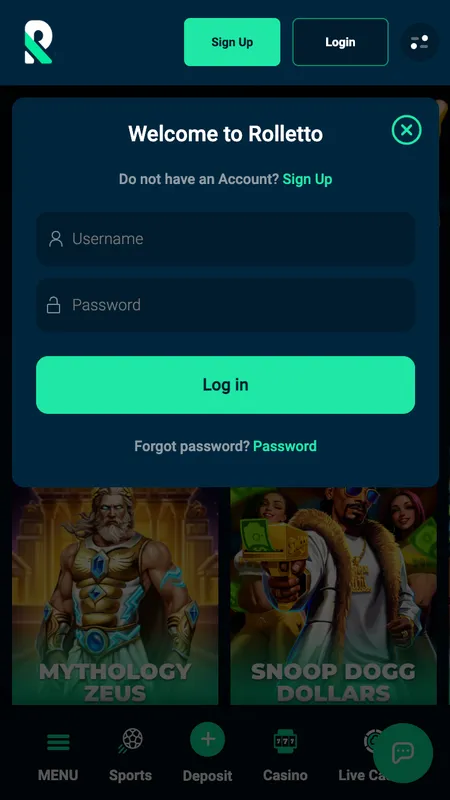
Verification menus usually appear only post-login under profile or cashier subtabs — locate path before withdrawal urgency.
Processing timelines
Weekday reviews often complete within 24–72 hours; weekends and holiday peaks extend queues. Submit Tuesday–Thursday morning UK time if you anticipate weekend withdrawal needs.
Proactive vs reactive verification
Upload when account opens if portal allows — reduces first withdrawal pending from days to hours. Some brands still re-request documents at withdrawal regardless.
Source of funds requests
Large crypto deposits or rapid win spikes may trigger SOF questionnaires — employment, savings, inheritance declarations. Answer truthfully; inconsistent stories freeze accounts.
Household and shared address issues
Students, lodgers and multi-name households must show documents linking registered name to address — tenancy agreements sometimes requested. Plan ahead if your situation is non-standard.
Sports and casino shared KYC
One verification typically covers both products on combined platforms. Single upload should unlock sports and casino withdrawals unless terms split tiers — rare but readable.
Offshore licensing context
Curacao-licensed operators accessible to UK players are not UKGC-regulated but still AML-bound. Verification intensity correlates with licence enforcement trends, not marketing friendliness.
Privacy and data retention
Privacy policies describe retention periods and subprocessors. Read before uploading — especially if you use offshore brands infrequently.
Failed verification appeals
If rejected, read reason precisely — "document expired" vs "name mismatch" require different fixes. Escalate with new uploads via ticket, not duplicate blurry files.
Payment method after verification
Verified identity does not automatically verify new deposit methods added later. Each new card may need fresh payment proof.
Testing with small withdrawal
First cashout at minimum allowed amount validates end-to-end KYC and payment routing before larger wins sit in limbo.
Compare verification FAQ depth on Roletto casino or shortlisted brands — vague FAQ predicts vague support during review peaks.
Red flags
- Support requesting full card numbers or passwords in chat
- Indefinite "reviewing" without document-specific feedback
- Verification only mentioned after large win, never in terms
VPN and location mismatch flags
UK players occasionally use VPN services for privacy. Casino systems flag IP geolocation inconsistent with registration country — triggering enhanced review or temporary account holds. Disable VPN during registration, deposit, play and document upload unless operator terms explicitly permit VPN use (rare).
Mobile data switching between UK and travel abroad may produce similar flags. If travelling, avoid withdrawals until back on consistent UK IP or contact support proactively with travel dates.
Middle names, hyphenated surnames and suffixes
Registration forms accepting single "full name" field create mismatch when passport shows middle names omitted. Upload documents showing legal name exactly; if registration shortened your name, request correction via support before KYC submission rather than after rejection.
Hyphenated surnames split across first and last fields confuse automated matchers. Enter names as they appear on primary ID document. Consistency across passport, utility bill and registration matters more than local naming convention preferences.
Document redaction without rejection
Card photos require hiding middle digits — use tape or digital redaction covering CVV and middle eight digits while leaving first six and last four visible. Over-redaction hiding name or expiry triggers rejection.
Bank statements for address proof may show account numbers — redact account number and transaction details if portal allows; retain name, address and statement date visible. Some portals reject heavily redacted PDFs; colour photo of paper statement sometimes processes faster.
Enhanced due diligence tiers
High withdrawal volumes or PEP (politically exposed person) screening may trigger tier-two requests: payslips, tax returns, notarised document copies. Most recreational players never encounter tier two; rapid large wins from small deposits increase scrutiny regardless of legitimacy.
Answer SOF questionnaires consistently with uploaded evidence. Declaring employment income while uploading student loan statements raises flags. Truthful alignment between forms and documents clears faster than optimistic minimisation.
Re-verification after account dormancy
Accounts inactive six to twelve months may require fresh address proof dated within current 90-day window — old verified status does not always persist. Before returning after break, check whether portal requests updated documents proactively.
Phone number verification as KYC adjunct
SMS verification at registration is not identity verification, but changing phone number later may require ID proof same as email changes. Keep registered phone active and accessible through verification periods.
Joint accounts and third-party deposit flags
Deposits from cards or accounts not in registered player name trigger third-party payment flags — common when partner's card funds shared entertainment. Policy typically requires all payment methods match verified identity. Use only personal instruments aligned with KYC documents.
Student visa and temporary address documentation
International students in UK may have overseas passport with UK correspondence address. Council tax or university accommodation letters sometimes substitute utility bills — upload clearest available proof and explain situation in ticket note. Processing may take longer; proactive upload reduces withdrawal-day panic.
Biometric and automated verification failures
Automated liveness checks reject poor lighting, glasses glare and expired document chips. Retry with plain background, natural light and document flat on surface. Multiple automated failures route to manual queue — add 48–72 hours.
Keeping copies of submitted documents
Store local copies of everything uploaded — passport photos, utility bills, card redaction shots. Re-verification or secondary brand registration may request same documents months later. Organised folder saves retakes under pressure.
Safer gambling note
Verification delays frustrate; frustration drives redepositing while pending — avoid turning admin wait into impulse play. Set session limits during review periods.
18+ only. Gamble responsibly. Not legal or immigration advice. GamCare and BeGambleAware offer UK support.